info@jmrdlift.com
  +971 523693844
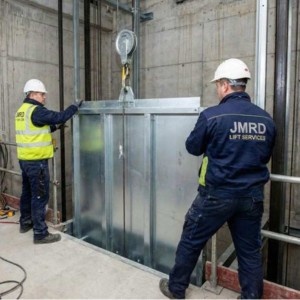
Dubai’s skyline is constantly rising, and with it, the need for reliable, modern, and safe elevators. Whether it’s a villa in Jumeirah, a high-rise in Business Bay, or a commercial tower in Deira, elevator installation in Dubai requires precision, compliance with UAE safety codes, and the expertise of a certified lift contractor.
If you’re planning to install a lift in Dubai, this unique and SEO-rich blog walks you through the entire process—from initial assessment to final commissioning—based on Dubai’s regulatory and construction standards.
1. Site Inspection & Dubai Code Compliance Check
Elevator installation in Dubai always begins with a detailed site inspection. Engineers evaluate:
- Shaft space availability
- Load-bearing capacity
- Travel height and pit depth
- Power supply and wiring
- Emergency access requirements
Most importantly, the assessment ensures compliance with:
- Dubai Municipality Lift Regulations
- Civil Defense Safety Codes
- EN 81 and EN 115 standards
This step ensures your lift is fully approved and safe for long-term use.
2. Customized Lift Engineering for Dubai Buildings
Dubai’s buildings vary widely—from villas to skyscrapers—so the elevator design must be tailored. Engineering teams create:
- Cabin size based on building usage (home, hospital, passenger, freight)
- Required load capacity (300–2000 kg)
- Machine-room or MRL configuration
- Door type and opening width
- Energy-efficient drive systems to reduce DEWA consumption
Smart lift companies also use 3D engineering and BIM models to ensure precise alignment with the building’s architectural layout.
3. Civil Work & Shaft Preparation
Before installation begins, Dubai construction standards require specific civil preparations:
- Shaft construction based on approved drawings
- Accurate pit depth and headroom
- Proper ventilation in shaft or machine room
- Electrical cabling with DEWA-approved materials
- Fire-rated shaft requirements (Dubai Civil Defense)
This ensures your lift is safe, durable, and compliant.
4. Delivery of Elevator Components
Dubai logistics is fast, so lift components arrive efficiently from manufacturers or local suppliers. These include:
- Guide rails
- Car frame & cabin
- Drive motor & controllers
- Landing doors & operators
- Counterweights
- Emergency communication systems
Premium companies ensure all parts meet UAE conformity standards before installation.
5. Mechanical Installation Stage
This is when the elevator starts taking shape inside the shaft. Technicians install:
- Steel rails
- Car frame and cabin
- Door operators
- Counterweight system
- Machine and drive unit
- Suspension cables
Since Dubai buildings are high-rise heavy, the installation requires certified technicians trained in EN 81 safety practices.
6. Electrical & Control System Integration
After mechanical work, the system’s intelligence is installed:
- Main elevator controller
- Safety circuits
- Landing floor indicators
- Call panels & COP
- Emergency lighting
- Fireman lift features (mandatory for many Dubai buildings)
Modern Dubai lifts now use AI-based control systems for smoother rides and energy savings.
7. Safety Testing & Municipality Inspection
Before the elevator becomes operational, Dubai requires strict testing:
- Load testing
- Speed and brake test
- Leveling accuracy
- Emergency rescue device check
- Alarm, intercom & ARD test
- Fireman operation test
Once testing is passed, an official inspection is conducted by:
- Dubai Municipality
- Civil Defense (for fire-rated lifts)
Only after approval is the elevator certified safe for use.
8. Commissioning & Handover
At this stage, the building owner or facility manager receives:
- Operation training
- Warranty documents
- Maintenance plan
- Safety instructions
The lift is officially handed over for daily use.
9. Importance of Post-Installation AMC in Dubai
Because of Dubai’s climate (heat, humidity, dust), regular maintenance is essential. AMC includes:
- Lubrication
- Door mechanism servicing
- Control system health checks
- Emergency device testing
- Cabin balancing
A good maintenance routine ensures smooth operation, safety, and long lift life—especially in busy Dubai buildings.
The elevator installation process in Dubai is more advanced and regulated than in most cities, ensuring maximum safety and performance. From engineering to municipality approvals, every step must be handled by an experienced, certified elevator company.